Twin Falls, ID · Twin Falls County
Attic Water Extraction in Twin Falls, IDAttic Leak Water Cleanup & Attic Drying Services
For a storm leak, Attic Water Extraction in Twin Falls means wet attic insulation removal, attic leak water cleanup and attic drying services.
Answered 24/7
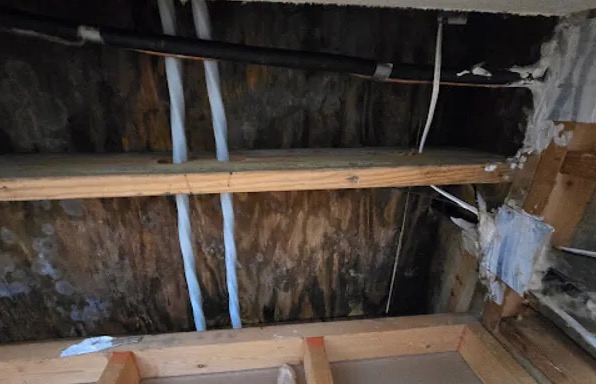
Attic Water Extraction Solutions in Twin Falls, Idaho
Wet insulation is the main problem in attic leaks. It soaks up water, gets heavy and keeps the drywall underneath wet long after the leak stops. In Twin Falls homes, removing it is usually the first step after extraction.
Homes in Twin Falls and nearby Hansen have attics that hold insulation, ductwork and often an AC unit or water heater. The pros remove water from roof leaks and equipment failures and dry the framing.
The Attic Water Extraction Process for Properties in Twin Falls
Attic Leak Water Cleanup
Wet nails, straps and vent flanges are wiped down, and soaked boxes or stored items are moved out of the attic.
Attic Drying Services
Air movers and dehumidifiers are set on boards across the joists to dry rafters, decking and the ceiling below safely.
Attic Moisture Inspection
Moisture meters and thermal cameras check decking, rafters, insulation and ceiling drywall for water that is not visible.
Attic Mold Prevention
Once wood is dry, roof decking and rafters that stayed wet can be treated with an antimicrobial to slow microbial growth.
Wet Attic Insulation Removal
Insulation is removed only where it got wet. Dry insulation nearby is left in place and protected during the work.
When to Call for Attic Water Extraction in Twin Falls
Damp Attic Insulation
Insulation that feels damp, looks matted or has dark patches has been soaking up water.
Sagging or Bulging Ceilings
A ceiling that bulges or droops is holding water and can fall. Keep people out of the room below.
Water Dripping From Light Fixtures
Water dripping from a ceiling light or fan is a sign of an active leak above. Turn off that circuit.
Insect Infestations in Attic
Wet wood draws insects, so new activity in the attic can be a sign of an ongoing leak.
How Attic Water Extraction Works in Twin Falls
Step 1: Safety Assessment and Water Containment
Wet fixtures are shut off, the room below is protected and buckets catch active drips.
Step 2: Bulk Water Extraction
Wet vacs and pumps remove standing water from between joists and on top of the drywall.
Step 3: Targeted Drying of Affected Materials
Airflow is aimed at the wettest wood and drywall, and equipment is moved as areas dry.
Step 4: Documentation for Restoration
Photos, readings and a list of removed materials are prepared for insurance and repairs.
Frequent Sources of Attic Leaks in Twin Falls
HVAC System Condensate Overflow
AC air handlers in the attic overflow when the condensate line clogs or the pan cracks.
Attic Appliance Malfunction
Water heaters, humidifiers and other attic equipment can fail and leak with no warning.
Skylight or Chimney Flashing Failure
Worn flashing around skylights and chimneys lets rain run down into the attic.
Bathroom Exhaust Fan Vent Leaks
Bathroom fans vented into the attic, or with loose ducts, release moisture onto the wood.
Attic Water Extraction for All Properties in Twin Falls
Residential Attic Water Extraction
In townhomes and condos, attic leaks can cross into a neighbor's space. Clear photos and readings help sort out repairs with the association.
Commercial Attic Water Extraction
Property managers get records for each affected unit or suite, which helps with roof repair planning and insurance claims.
The Risks of DIY Attic Water Extraction in Twin Falls
A bulging ceiling can drop without warning. Keep everyone out of the room below, put a bucket nearby and call local water removal experts to drain it safely.
Evaluating Attic Water Extraction Expenses in Twin Falls
The cost of attic water extraction in Twin Falls depends on how much water reached the attic, how much insulation is soaked and how long the framing takes to dry.
Material Removal Needs
Wet insulation and ceiling drywall that must be removed add labor and disposal costs.
Mold Prevention Steps
Antimicrobial treatment of wood that stayed wet is an added step, priced by area.
Required Drying Time
Dense framing and decking can take several days to dry, adding equipment time.
Does Insurance Cover Attic Water Extraction?
Many homeowner policies cover sudden storm damage and burst pipes in the attic, but not leaks from worn roofing or poor upkeep. Read your policy and call your insurer early.
Advantages of Hiring Local Pros for Attic Water Extraction in Twin Falls
24/7 Emergency Response
Help is available day or night when a storm or burst pipe puts water in the attic.
Dehumidification Plan
Dehumidifiers and air movers are placed for the attic's size and airflow, then adjusted daily.
Roof Leak Location
The leak point is marked and photographed so the roofer can fix the right spot.
24/7 Attic Water Extraction for Twin Falls Emergencies
Ceiling bulging with water? Keep people out of the room below it and call (208) 213-8673 now for attic water extraction in Twin Falls.
Call Now (208) 213-8673Attic Water Extraction Near Twin Falls: Areas Served
Help with attic water extraction is also available in communities near Twin Falls, including Hansen, for roof leaks and attic equipment failures.
- Attic Water Extraction in Hansen
- Attic Water Extraction in Kimberly
- Attic Water Extraction in Filer
- Attic Water Extraction in Jerome
- Attic Water Extraction in Eden
- Attic Water Extraction in Buhl
- Attic Water Extraction in Hazelton
- Attic Water Extraction in Wendell
- Emergency Damage Restoration in 83301
- Storm Damage Restoration in 83301
- Water Damage Restoration in 83301
- Water Extraction Service in 83301
- Water Leak Detection in 83301
- Water Removal Service in 83301
- Emergency Damage Restoration in 83303
- Storm Damage Restoration in 83303
Your Attic Water Extraction Questions in Twin Falls, ID
Can wet attic insulation be saved?
Lightly damp areas sometimes dry, but soaked or matted insulation is usually removed and replaced after the attic is dry.
Why is wet insulation removal often necessary?
Soaked insulation stays wet for a long time, adds weight to the ceiling and loses its insulating value.
How long does the attic drying process take?
Often several days, depending on how wet the wood is, the attic temperature and how much insulation was removed.
What are signs of hidden attic water damage?
Ceiling stains, a musty smell upstairs, matted insulation, dark spots on decking and rusted nails.
What equipment is used for attic drying services?
Air movers, dehumidifiers, moisture meters and thermal cameras, plus wet vacs and HEPA vacuums for water and insulation removal.