Twin Falls, ID · Twin Falls County
Roof Leak Water Removal in Twin Falls, IDWall Cavity Drying & Emergency Roof Tarping
Roof Leak Water Removal in Twin Falls covers emergency roof tarping, attic water extraction, ceiling water damage cleanup and wet insulation removal.
Answered 24/7
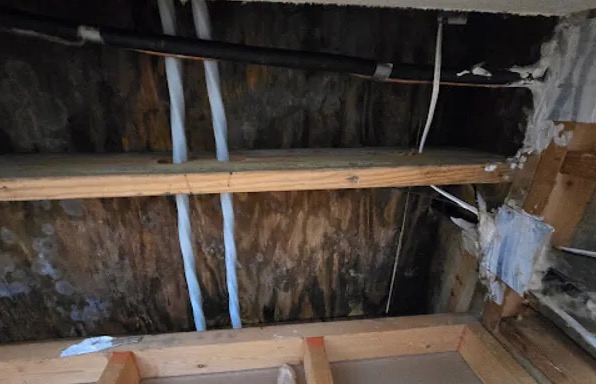
Roof Leak Cleanup and Drying in Twin Falls
In the Twin Falls area, roof leaks tend to show up during or right after heavy rain, when water finds a worn shingle, a cracked boot or loose flashing.
Roof leak water removal is available in Twin Falls and nearby Hansen. The pros tarp the opening if needed, extract the water and dry the attic framing and ceiling drywall.
What Roof Leak Water Removal Covers in Twin Falls
Wall Cavity Drying
Water that follows a top plate or a pipe chase can soak insulation inside a wall. Moisture meters find it, and air is pushed into the cavity to dry it.
Emergency Roof Tarping
Tarping is a stopgap. It keeps the next rain out of the attic and ceilings until a roofer can replace the decking, flashing or shingles.
Ceiling Water Damage Cleanup
If water is trapped above the ceiling, the pros drain it through a small controlled hole, then dry the joists and decide what drywall must come down.
Leak Source Identification
Water often travels along rafters before it drips, so the stain is rarely under the hole. Tracing it in the attic shows the real entry point.
Wet Insulation Removal
Soaked batts and blown insulation hold water against the ceiling and framing for weeks. The pros bag and remove it so the attic can dry.
Signs of a Roof Leak in Your Twin Falls Home
Water Stains on the Ceiling
Brown or yellow rings on the ceiling, often growing after each rain, mean water is reaching the drywall from above.
Musty Smell After Rain
A damp, musty smell that gets stronger after storms often means insulation in the attic is staying wet.
Dripping From a Light Fixture
Water dripping from a light or ceiling fan means it has pooled above the ceiling. Turn off that circuit and keep people clear.
Dark Spots on Attic Wood
Dark streaks or spots on rafters and roof decking show where water has been running or sitting for a while.
How Roof Leak Water Removal Works in Twin Falls
Step 1: Find Where the Water Enters
The pros trace the water from the stain up into the attic to locate the entry point and note it for the roofer.
Step 2: Measure the Wet Area
Moisture meters and a thermal camera show how far the water spread across the attic, ceiling and walls.
Step 3: Extract and Remove
Standing water is removed, and drywall or insulation that is too wet to dry in place is cut out.
Step 4: Dry and Verify
Drying equipment runs until readings in the wood and drywall match dry areas of the house, and the results are recorded.
Why Water Gets Into the Attic in Twin Falls
Open Roof Valleys
Valleys carry the most water on a roof. Worn or poorly sealed valleys let that concentrated flow into the decking.
Aging Roofing Materials
As shingles age they curl, lose granules and crack, and slow leaks start where the roof covering has worn thin.
Clogged Gutters
Leaves and debris in gutters make water back up at the roof edge, where it seeps under shingles and into the soffit and walls.
Attic Condensation
Warm, humid indoor air meeting a cold roof deck in winter forms frost and drips that can look like a leak and soak insulation.
Residential and Commercial Roof Leak Water Removal in Twin Falls
Residential Roof Leak Water Removal
For homeowners, drying the attic and ceiling before stains spread can save the drywall. Moisture readings show what can stay and what has to come out.
Commercial Roof Leak Water Removal
Property managers get moisture readings and photos for each affected unit or suite, which helps when several tenants and an owner's insurer are involved.
What You Can Do Before Help Starts on a Roof Leak
Move furniture, electronics and rugs out from under the leak, and set buckets under steady drips. Lay towels to keep water from spreading across wood or carpet floors.
Pricing Roof Leak Water Removal in Twin Falls
Costs rise when water has reached walls and floors below the attic, because each level needs its own extraction and drying setup.
Size of the Wet Area
The square footage of wet attic, ceiling and wall sets how much equipment is needed and how long it runs.
Attic Access
Low, tight attics with little floor to stand on take longer to work in than open attics with a walkway.
Insulation Removal
Bagging and hauling soaked insulation takes labor, and the attic needs new insulation once the framing is dry.
Does Insurance Cover Roof Leak Water Removal?
Many homeowner policies cover sudden roof leaks caused by a storm or falling tree, but not leaks from wear and age. Your insurer decides what is covered.
Reasons to Use Local Pros for Roof Leak Cleanup
One Job, Start to Finish
Tarping, extraction, insulation removal and drying happen in order, so each step is not left waiting on another company.
Drying to Measured Targets
Drying stops only when meters show the wood and drywall are dry, not when the surface looks dry.
Contents Moved Out of Harm
Belongings under the leak are moved, covered or dried so they do not keep soaking while the attic is worked on.
Roof Leaking Right Now in Twin Falls?
Wet insulation and a stained ceiling after last night's rain? Call (208) 213-8673 so the attic can be dried before the drywall has to come down.
Call Now (208) 213-8673Roof Leak Water Removal Near Twin Falls: Areas Served
Local roof leak water removal pros cover Twin Falls and surrounding communities including Hansen for roof leak tarping, extraction and drying.
- Roof Leak Water Removal in Hansen
- Roof Leak Water Removal in Kimberly
- Roof Leak Water Removal in Filer
- Roof Leak Water Removal in Jerome
- Roof Leak Water Removal in Eden
- Roof Leak Water Removal in Buhl
- Roof Leak Water Removal in Hazelton
- Roof Leak Water Removal in Wendell
- Emergency Damage Restoration in 83301
- Storm Damage Restoration in 83301
- Water Damage Restoration in 83301
- Water Extraction Service in 83301
- Water Leak Detection in 83301
- Water Removal Service in 83301
- Emergency Damage Restoration in 83303
- Storm Damage Restoration in 83303
Questions About Roof Leak Water Removal
Does a stained ceiling always need to be replaced?
No. If moisture readings show the drywall is firm and dries out, it can often stay and be primed and painted. Soft or sagging sections are replaced.
How long does it take to dry an attic after a roof leak?
Drying usually takes three to five days, depending on how wet the wood is and how much insulation came out. Readings decide when it is done.
What does emergency roof tarping involve?
A heavy tarp is laid over the damaged area and fastened down so rain stops coming in. It stays until a roofer makes the permanent repair.
Are old ceiling stains a sign of an active leak?
Not always. A dry stain may be from a past leak. A stain that is damp, growing or bulging means water is still getting in.
Is it safe to stay in a room with a wet ceiling?
Keep people out from under a ceiling that sags or drips. Turn off power to wet light fixtures until the ceiling has been checked.