Twin Falls, ID · Twin Falls County
Thermal Imaging Leak Detection in Twin Falls, IDRoof Leak Moisture Mapping & Hidden Water Leak Detection
In Twin Falls, Thermal Imaging Leak Detection covers hidden water leak detection, roof leak moisture mapping, and plumbing leak infrared inspection.
Answered 24/7
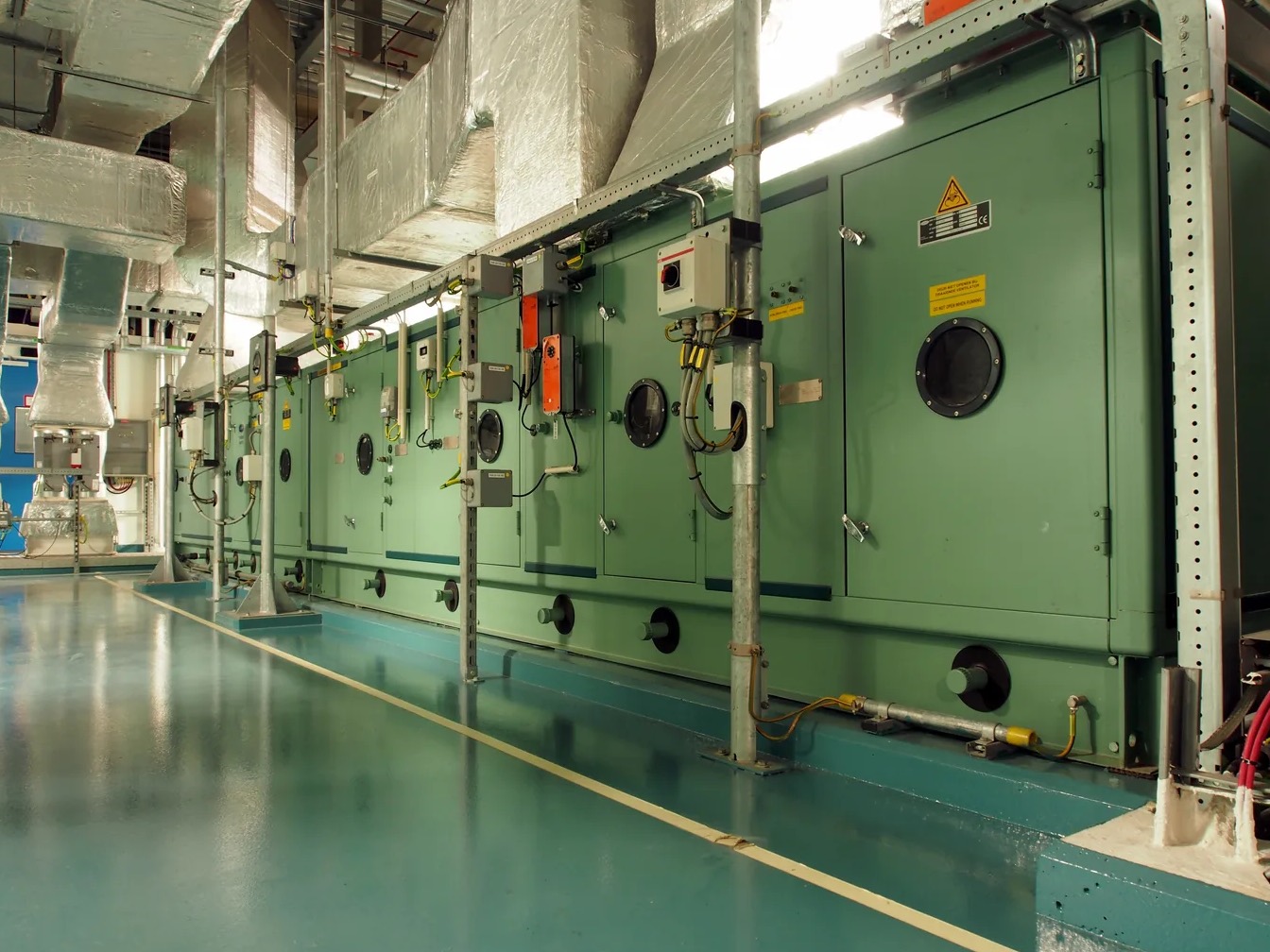
Thermal Imaging Leak Detection: Find Hidden Leaks in Twin Falls
Thermal imaging locates plumbing and slab leaks in homes and businesses accurately, so repairs go to the right spot and damage stops spreading.
Thermal imaging leak detection is a valuable service for properties in Twin Falls and nearby areas like Hansen. Using infrared technology, local moisture mapping experts can identify hidden moisture from roof leaks or plumbing issues without invasive probing.
The Thermal Imaging Leak Detection Process in Twin Falls
Roof Leak Moisture Mapping
A roof leak can travel far from its entry point. Thermal imaging creates a moisture map of the affected area, showing the full extent of water intrusion.
Hidden Water Leak Detection
Hidden water leaks can cause stains without an obvious source. The pros use infrared cameras to scan surfaces for moisture's thermal signature. This non-invasive method pinpoints the leak. Call (208) 213-8673 for detection in the Twin Falls area.
Wall Ceiling Moisture Scans
Before a water stain is repaired, a moisture scan shows every wet material behind the surface, so drying covers the whole wet area in Twin Falls.
Plumbing Leak Infrared Inspection
Dripping pipes inside walls cause damage unseen. An infrared inspection uses thermal cameras to find leaks by detecting the cool signature of escaping water.
Moisture Intrusion Pathway Analysis
Thermal imaging traces water from where it entered to where it caused damage, showing failed flashing, seals or drainage.
Clues You Have a Leak Requiring Thermal Imaging Leak Detection in Twin Falls
Persistent Musty Odors in Rooms
A damp smell in one room that will not go away usually means moisture hidden in a wall, floor or ceiling.
Unexplained Spikes in Water Bills
Your water bill suddenly jumps without a clear reason, pointing to a hidden water leak that thermal imaging can find.
Warm Spots on Floors or Walls
Unexpectedly warm areas on surfaces may point to heated water leaks, visible with a thermal camera leak finder.
Ceiling Stains From Unknown Sources
Brown or yellow stains on a ceiling often trace back to a roof leak needing moisture mapping.
How Thermal Imaging Leak Detection Works in Twin Falls
Step 1: Scheduling the Thermal Imaging Inspection
Contact the specialists to schedule a scan. Say if the leak is active, so urgent leaks can be scheduled first when possible.
Step 2: On-Site Thermal Camera Deployment
On site, the thermal camera leak finder is used to scan large areas quickly, identifying cool, wet spots invisible to the eye.
Step 3: Moisture Intrusion Pathway Analysis
The pros analyze how water is moving, performing moisture intrusion pathway analysis to understand the full scope of the problem.
Step 4: Clear Communication of Next Steps
You receive a straightforward explanation of the leak's location and the recommended next steps for repair, based on the thermal evidence.
Common Causes of Hidden Water Leaks in Twin Falls
Roof Damage From Weather or Debris
Missing shingles or damaged flashing let water in, and a thermal scan can trace its path through the ceiling.
Tree Root Intrusion Into Sewer Lines
Roots seeking moisture can invade and crack underground sewer pipes, causing slow, hidden leaks in the yard or slab.
HVAC Condensate Drain Line Leaks
Clogged or cracked condensate lines from air conditioners can leak water inside walls or ceiling cavities.
Faulty Appliance Connections and Hoses
Washing machine hoses, water heater connections, or ice maker lines can degrade and leak behind appliances.
Local Thermal Imaging Leak Detection for Every Property Type in Twin Falls
Residential Thermal Imaging Leak Detection
Wall and ceiling moisture scans in residences find leaks from plumbing runs or roof issues. This hidden water leak detection prevents mold growth and preserves drywall and insulation integrity.
Commercial Thermal Imaging Leak Detection
In offices and facilities, wall and ceiling moisture scans assess large interior spaces. Infrared leak detection helps manage building health and indoor air quality by finding concealed damp areas.
Thermal Imaging Leak Detection vs. DIY: When to Call Infrared Inspection Specialists
After a known leak is repaired, you can watch the area for new wetness. Keep the area dry and ventilated. However, to confirm all moisture is gone inside walls or floors, schedule post-repair leak verification with the pros.
What Affects Thermal Imaging Leak Detection Service Cost in Twin Falls
The price for hidden water leak detection varies based on the construction materials involved and the time needed for the local pros to analyze thermal imaging data.
Construction Materials
Walls with dense materials or multiple layers can require more intensive thermal camera leak finder analysis to pinpoint moisture accurately.
Emergency Response
A 24/7 emergency leak location service call typically involves a different service structure than a scheduled thermal imaging inspection.
Access Challenges
Difficult roof access or confined spaces for plumbing leak infrared inspection can extend the duration of the on-site service.
Does Insurance Cover Thermal Imaging Leak Detection?
Your adjuster decides whether leak detection is covered. The pros provide a report of the thermal inspection for the insurer to review.
The Value of Professional Thermal Imaging Leak Detection in Twin Falls
Moisture Pathway Analysis
Experts analyze how water travels within structures, identifying secondary damage areas that may not be visibly wet.
Versatile Application
Effective for slab leak detection, plumbing leaks, roof leaks, and wall scans, addressing various water intrusion scenarios.
Comprehensive Moisture Mapping
The process creates a visual map of affected areas, revealing the full extent of moisture spread behind surfaces.
Urgent Thermal Imaging Leak Detection Available in Twin Falls, ID
If water is actively damaging your home, call (208) 213-8673. Local pros respond day or night to find where it is getting in.
Call Now (208) 213-8673Thermal Imaging Leak Detection for Twin Falls and Nearby Communities
Thermal leak detection and moisture mapping are available in Twin Falls and nearby areas like Hansen.
- Thermal Imaging Leak Detection in Hansen
- Thermal Imaging Leak Detection in Kimberly
- Thermal Imaging Leak Detection in Filer
- Thermal Imaging Leak Detection in Jerome
- Thermal Imaging Leak Detection in Eden
- Thermal Imaging Leak Detection in Buhl
- Thermal Imaging Leak Detection in Hazelton
- Thermal Imaging Leak Detection in Wendell
- Emergency Damage Restoration in 83301
- Storm Damage Restoration in 83301
- Water Damage Restoration in 83301
- Water Extraction Service in 83301
- Water Leak Detection in 83301
- Water Removal Service in 83301
- Emergency Damage Restoration in 83303
- Storm Damage Restoration in 83303
Infrared Leak Detection FAQ
Is thermal imaging effective for roof leak moisture mapping?
Yes, it can map wet insulation and decking under roofing materials by detecting temperature variations, helping locate the entry point without unnecessary roof removal.
What areas can wall and ceiling moisture scans assess?
Thermal imaging can detect moisture behind drywall, plaster, paneling, and within ceiling cavities, revealing leaks from plumbing, roofs, or condensation issues.
How does plumbing leak infrared inspection work?
The thermal camera scans walls and floors near plumbing lines, identifying cooler patterns that indicate water leakage from pipes within the structure.
What is included in a thermal imaging water leak report?
The report typically includes thermal images, annotated moisture maps, a description of findings, and data supporting the location and extent of the water intrusion.
Is thermal imaging used for water damage inspection after a leak?
Yes, it helps define the full extent of moisture damage for drying planning and helps ensure all affected materials are identified during the restoration process.