Pleasant Valley, ID · Ada County
Industrial Dehumidification in Pleasant Valley, IDCommercial Water Damage Cleanup & Industrial Flood Damage Restoration
Industrial Dehumidification in Pleasant Valley handles disaster recovery drying, industrial humidity reduction systems and emergency water removal.
Answered 24/7
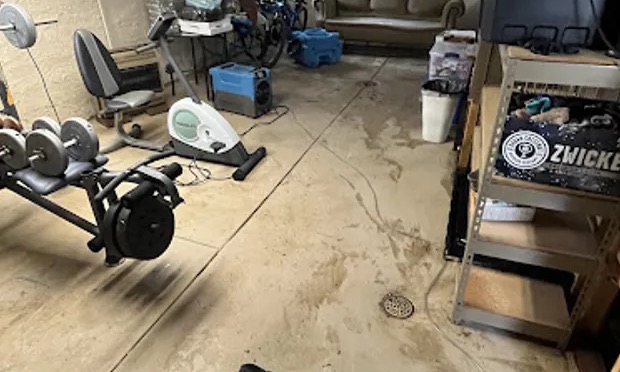
Professional Industrial Dehumidification in Pleasant Valley, ID
Data centers, storage rooms and archives need stable humidity. After water damage, condensation and corrosion can harm equipment and records.
Industrial dehumidification is a priority for large facilities in Pleasant Valley and nearby areas like Charter Pointe, Hazelwood and Kuna. Whether dealing with a burst pipe or ongoing humidity issues, local water damage pros apply commercial dehumidification techniques.
Industrial Dehumidification Services in Pleasant Valley
Commercial Water Damage Cleanup
A flooded warehouse or factory needs powerful moisture removal. Industrial dehumidification focuses on large-scale air drying to safeguard machinery and stored goods.
Industrial Flood Damage Restoration
Flood waters can halt production. Commercial drying experts implement a phased strategy using industrial dehumidifiers and air movers. Large dehumidifiers are sized to the building volume.
Mold Remediation Services
Extensive mold requires professional remediation to ensure occupant safety. Industrial dehumidification is a core part of stopping the mold lifecycle.
Disaster Recovery Drying
Recovering from a widespread water event requires professional drying resources. Industrial dehumidification units run continuously to remove the immense volume of moisture introduced.
Structural Drying Services
The pros in Pleasant Valley dry the framing, walls and slabs of a wet building, including the hidden moisture that causes slow decay.
Warning Signs You Need Industrial Dehumidification
Musty Odors and Smells
A persistent earthy smell often points to hidden moisture in walls, ceilings or stored goods.
Equipment Rust or Corrosion
New rust on machinery or metal stock can come from damp air in the building.
Stained Ceilings or Walls
Yellow or brown water stains show where past leaks happened and where moisture may still be.
Damp Insulation or Drywall
Wet materials behind walls or above ceilings stay wet for weeks without forced drying and can rot.
How Industrial Dehumidification Works in Pleasant Valley
Step 1: Site Assessment and Inspection
An inspection finds the water sources, the wet materials and how much cleanup is needed.
Step 2: Containment and Water Removal
Containment is set up if needed, then industrial extractors remove the bulk water.
Step 3: Deploy Drying Equipment
Desiccant and refrigerant dehumidifiers and air movers are placed to dry the building.
Step 4: Continuous Monitoring and Adjustment
Equipment runs around the clock, and humidity is checked so the setup can be adjusted as areas dry.
Common Causes for Industrial Dehumidification in Pleasant Valley
Foundation Cracks and Seepage
Groundwater pushed up through cracks in slabs and walls keeps lower areas damp.
HVAC System Condensation Issues
Cooling systems that are poorly maintained or oversized can produce a lot of condensation and raise humidity.
Fire Suppression System Activation
A sprinkler discharge can leave a large amount of water to extract and dry.
Process Water or Chemical Spills
Industrial processes that use liquids carry a constant risk of accidental spills and releases.
Industrial Dehumidification for Residential and Commercial Clients in Pleasant Valley
Residential Industrial Dehumidification
Storm-driven water needs fast action to save belongings and building materials. The pros extract the water 24/7 and document the damage for your claim.
Commercial Industrial Dehumidification
A flooded warehouse or production floor halts business. Fast water removal and commercial dehumidification shorten the time the space is out of use.
DIY Moisture Control vs. Professional Industrial Dehumidification in Pleasant Valley
Move valuable items and equipment out of the wet area to limit losses. Finding hidden water in walls and under floors takes moisture meters and commercial drying equipment.
Industrial Dehumidification Cost in Pleasant Valley, ID
In Pleasant Valley, the type of water, whether clean, gray or black, changes the cleanup steps and the cost.
Structural Material Type
Concrete, wood and steel dry differently, which changes the approach and the time.
Affected Square Footage
The size of the area to be dehumidified sets how much equipment and labor are needed.
Emergency Service Timing
After-hours or 24/7 calls may be billed at a different rate than a scheduled visit.
Does Insurance Cover Industrial Dehumidification?
The pros in Pleasant Valley document the full extent of microbial growth and the underlying conditions, providing this evidence for the insurer to evaluate against the policy's terms.
The Value of Local Pros for Industrial Dehumidification in Pleasant Valley
24/7 Emergency Response
Fast water extraction limits how far damage spreads in a large building.
Detailed Moisture Documentation
Meters and sensors track humidity and moisture, so you can see drying progress day by day.
Clear Process Communication
You get regular updates on drying progress and how long the job should take.
Emergency Industrial Dehumidification in Pleasant Valley, ID
Removing water early prevents more damage to the structure and lowers the mold risk. Call (208) 213-8673 any time, day or night, for help in Pleasant Valley.
Call Now (208) 213-8673Industrial Dehumidification Coverage in Pleasant Valley, Charter Pointe, Hazelwood and Kuna
Help with industrial dehumidification is available for businesses in Pleasant Valley and nearby Charter Pointe, Hazelwood and Kuna dealing with water damage or high humidity.
- Industrial Dehumidification in Charter Pointe
- Industrial Dehumidification in Hazelwood
- Industrial Dehumidification in Kuna
- Industrial Dehumidification in Southeast Boise
- Industrial Dehumidification in Franklin Park
- Industrial Dehumidification in Boise City
- Industrial Dehumidification in Morris Hill
- Industrial Dehumidification in Winstead Park
- Emergency Damage Restoration in 83708
- Storm Damage Restoration in 83708
- Water Damage Restoration in 83708
- Water Extraction Service in 83708
- Water Leak Detection in 83708
- Water Removal Service in 83708
- Emergency Damage Restoration in 83711
- Storm Damage Restoration in 83711
Industrial Dehumidification FAQs
What is the first step in emergency water removal?
The initial critical step is extracting all standing water using truck-mounted or portable pumps and extractors.
Can humidity control prevent future mold problems?
Keeping warehouse humidity low with dehumidifiers protects stored goods and the building from moisture damage.
How does commercial dehumidification differ from residential?
The focus extends beyond drying to include minimizing operational downtime and protecting sensitive inventory or machinery.
Why is fast water extraction so important?
Removing water quickly keeps it from soaking deeper, shortens drying and lowers the risk of mold and warping.
What tools do large loss drying pros use for moisture control?
Local pros use an array of tools including penetrating and non-penetrating moisture meters, thermal imaging cameras, industrial-grade dehumidifiers, and high-volume air movers.