Pleasant Valley, ID · Ada County
Rapid Structural Drying in Pleasant Valley, IDEmergency Structural Drying & Concrete Slab Drying
Rapid Structural Drying in Pleasant Valley involves emergency structural drying, wall cavity drying, and flood drying services from restoration pros.
Answered 24/7
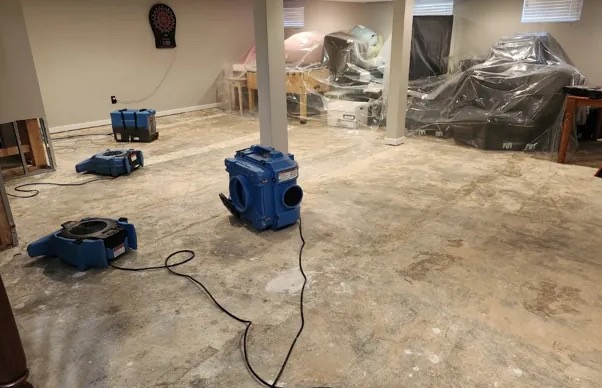
Rapid Structural Drying Solutions in Pleasant Valley, Idaho
Wall cavities act as hidden reservoirs for water after a leak. Insulation and framing inside walls hold moisture long after surface water is gone.
Properties in Pleasant Valley often require rapid structural drying after plumbing failures or weather-related water intrusion. Services extend to nearby places like Charter Pointe, Hazelwood and Kuna for comprehensive coverage.
Rapid Structural Drying Methods and Techniques
Emergency Structural Drying
Drying starts with a quick assessment and equipment placement, so moisture is pulled from walls, floors and framing before the damage spreads.
Concrete Slab Drying
Drying a concrete foundation slab is a slow, methodical task. It requires creating a dry air environment above the slab to encourage moisture evaporation from its surface.
Structural Dehumidification
Dehumidification is the engine that drives the structural drying process. It involves calculating the space's cubic volume and moisture load to select the right capacity equipment.
Crawl Space Drying
Crawl spaces are vulnerable to groundwater and plumbing leaks. Effective drying here combines pumping, debris removal, and the strategic placement of air movers and dehumidifiers.
Moisture Mapping Services
Effective drying starts with accurate assessment. Moisture mapping services use penetrating and non-penetrating moisture meters to create a detailed picture of affected areas.
When to Consider Rapid Structural Drying in Pleasant Valley
Water Pooling in Crawl Spaces
Standing water under your home puts floor framing at risk and needs pumping and drying.
Mold Growth on Baseboards
Mold appearing along floor edges often points to hidden moisture in wall cavities or subfloors needing extraction.
High Indoor Humidity Levels
A clammy feeling in the air suggests elevated moisture that structural dehumidification equipment is designed to correct.
Musty Odors in Your Home
A musty smell that will not go away usually means moisture is trapped inside walls or under floors.
How Rapid Structural Drying Works in Pleasant Valley
Step 1: Emergency Response and Moisture Detection
The experts use meters and thermal cameras to find all wet areas and decide which to dry first.
Step 2: Setup of Airflow and Dehumidification
A balanced system of airflow and structural dehumidification is established to pull moisture from materials and condense it out of the air.
Step 3: Specialized Drying for Concrete and Cavities
Specialized techniques like concrete slab drying and forced cavity drying are applied to address moisture trapped in the most challenging structural components.
Step 4: Final Structural Integrity Confirmation
Final moisture readings are recorded for each area to confirm the structure is dry before repairs begin.
How Water Damage Leads to Rapid Structural Drying in Pleasant Valley
Severe Weather and Flooding
Heavy rainfall or localized flooding can overwhelm drainage, leading to water intrusion.
Landscaping or Grading Problems
Improper yard slope can direct water toward a foundation, leading to persistent dampness in slabs and crawl spaces.
Burst Pipes or Plumbing Failures
A burst pipe can release hundreds of gallons, soaking drywall, subfloors and framing well beyond the room where it broke.
Appliance Malfunctions and Leaks
Faulty water heaters, washing machines, or dishwashers can leak slowly, causing hidden damage in walls and floors over time.
Rapid Structural Drying for All Property Types in Pleasant Valley
Residential Rapid Structural Drying
Homes have drywall and hardwood that can often be saved if dried quickly. Pros dry wall cavities in place to avoid tearing out finishes.
Commercial Rapid Structural Drying
In commercial settings, structural drying addresses complex building systems. The experts handle large open spaces, server rooms, and retail floors, using structural dehumidification to meet strict dryness standards for safety and reopening.
Why DIY Rapid Structural Drying Often Fails
You can pull up soaked rugs and padding so the subfloor can start drying. Check other rooms for signs of spreading moisture, such as damp baseboards or swelling trim.
Factors Affecting Rapid Structural Drying Pricing
In Pleasant Valley, the cost of professional structural drying is influenced by the number of rooms affected and the type of materials involved. Drying thick concrete slabs or enclosed wall cavities typically requires more resources.
Required Drying Equipment
The number and type of industrial air movers, dehumidifiers, and moisture meters deployed for structural moisture removal influence operational costs.
Affected Structural Materials
Drying dense materials like concrete slabs or enclosed wall cavities demands specialized techniques and longer durations than drying open areas.
Water Contamination Category
Clean water from a broken pipe is simpler to address than contaminated flood water, which requires more extensive safety and drying protocols.
Does Insurance Cover Rapid Structural Drying?
Commercial structural drying may be covered under a business property policy if the water damage is from a covered event. The business owner should initiate the claim and provide all documentation to their insurer.
Advantages of Hiring Moisture Removal Experts in Pleasant Valley
24/7 Emergency Response
Help is available day or night to begin the rapid structural drying process and limit further damage.
Water Mitigation Drying Expertise
The approach is part of a complete water mitigation process to stabilize the property quickly.
IICRC-Standard Drying Methods
Drying follows set targets checked with meters, which prevents damage from moisture left behind.
24/7 Rapid Structural Drying When You Need It
The first 24 to 48 hours after a leak matter most for drying. If you have standing water or soaked walls, call (208) 213-8673 to start drying.
Call Now (208) 213-8673Rapid Structural Drying in Pleasant Valley and Nearby Areas
Across Pleasant Valley and nearby communities, the pros map moisture and dry structures for homes and businesses in Pleasant Valley, Charter Pointe, Hazelwood and Kuna.
- Rapid Structural Drying in Charter Pointe
- Rapid Structural Drying in Hazelwood
- Rapid Structural Drying in Kuna
- Rapid Structural Drying in Southeast Boise
- Rapid Structural Drying in Franklin Park
- Rapid Structural Drying in Boise City
- Rapid Structural Drying in Morris Hill
- Rapid Structural Drying in Winstead Park
- Emergency Damage Restoration in 83708
- Storm Damage Restoration in 83708
- Water Damage Restoration in 83708
- Water Extraction Service in 83708
- Water Leak Detection in 83708
- Water Removal Service in 83708
- Emergency Damage Restoration in 83711
- Storm Damage Restoration in 83711
Rapid Structural Drying Information and Answers
Can flood drying services prevent mold?
Prompt flood drying services that quickly remove water and lower humidity can significantly reduce the risk of mold growth, which often begins within 24-48 hours in damp conditions.
What areas of a home need structural moisture removal?
Structural moisture removal often targets concealed areas like behind walls, under floors, within ceiling cavities, and in support beams where water can linger and cause hidden damage.
What are moisture mapping services?
Moisture mapping services involve using meters and sensors to create a visual record of moisture levels throughout a structure, guiding the drying process and verifying when materials are dry.
How does drying differ for residential structural drying?
Residential structural drying often involves navigating living spaces, personal belongings, and varied construction materials, with a focus on restoring habitability and protecting the home's value.
What is the goal of commercial structural drying?
The goal of commercial structural drying is to quickly restore a safe, dry environment for business operations by removing moisture from building materials and contents to prevent long-term damage.