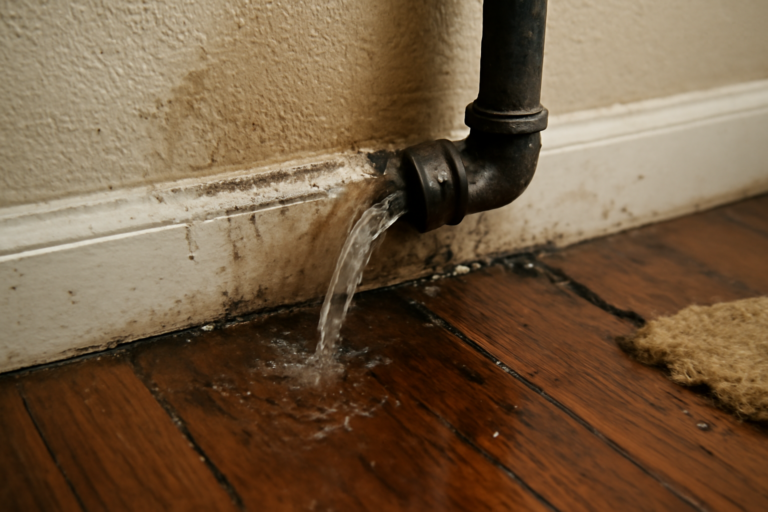
Septic Tank Backup Water Removal in Idaho City, ID
Trusted by 180+ Homeowners
- Over 184 5-Star Reviews
- Free Estimates and Quotes
- 100% Satisfaction Guaranteed
- Child, Family & Pet Safe Steps
- 24-Hour Emergency Service
- Fully Licensed & Insured
- Call
- We arrive
- Restored

Septic Tank Backup Water Removal in Idaho City, ID: What You Need to Know
Did you know that septic tank backup water removal is one of the most common insurance claims in Idaho City, ID? In fact, according to recent data, over 75% of septic tank backup claims are filed within 3-5 days of the incident. It’s essential to act fast to prevent further damage and costly repairs. Our team is here to guide you through the process, ensuring your property is restored to its original condition.
With over 165+ five-star reviews, you can trust our team to provide top-notch service for your septic tank backup water removal needs. We’ve helped many homeowners in the area recover from septic tank backups, and we’re confident we can do the same for you.
- Quick response time: We’ll arrive within 60 minutes of your call, ready to assess and start the cleanup process.
- Equipment expertise: Our team uses the latest equipment to remove standing water, including pumps and extraction units.
- Insurance support: We’ll work closely with your insurance company to ensure a smooth claims process.
How Our Septic Tank Backup Water Removal Service Works
When you experience a septic tank backup, every minute counts. That’s why our team follows a meticulous process to ensure your property is restored to its original condition. Our process involves:
Step 1: Assessment and Planning
Our technicians will assess the affected area, identifying the source of the backup and the extent of the damage. We’ll create a customized plan to address the issue, ensuring we have the right equipment and personnel on site.
Step 2: Water Extraction
We’ll use our high-capacity pumps and extraction units to remove standing water from your property. Our team will work efficiently to reduce downtime and prevent further damage.
Step 3: Debris Removal and Sanitizing
Once the water is removed, we’ll dispose of any debris and sanitize the affected area to prevent bacterial growth and unpleasant odors.
Step 4: Drying and Inspection
We’ll use specialized equipment to dry the area, ensuring it’s safe for you to return to your property. Our team will conduct a thorough inspection to identify any remaining issues or concerns.
Step 5: Final Touches
Our team will complete any necessary repairs or replacements, ensuring your septic system is functioning properly and efficiently.
Don’t wait any longer to address your septic tank backup. Our team is ready to help you get back to normal as soon as possible.

Warning Signs You Need Septic Tank Backup Water Removal
Catching these warning signs early can save you thousands of dollars in repairs and prevent further damage to your property. Be on the lookout for:
Musty Odors That Won’t Go Away
If you notice persistent, unpleasant odors around your septic system, it may be a sign of a backup or other issue. Don’t ignore it, call our team to investigate and address the problem.
Slow Drains and Clogged Pipes
Slow drains and clogged pipes can be a sign of a septic tank backup. Our team can help you identify the issue and provide a solution to get your drains flowing freely again.
Greens and Grass Growing Over the Septic System
Vegetation growing over your septic system can show a backup or other issue. Our team can help you assess the situation and provide a solution to prevent further damage.
Water Damage and Standing Water
If you notice water damage or standing water around your septic system, it’s essential to act fast to prevent further damage and costly repairs. Our team is here to help.
Unpleasant Sounds and Gurgling Noises
Unusual sounds and gurgling noises around your septic system can show a backup or other issue. Don’t ignore it, call our team to investigate and address the problem.
Septic Tank Backup Water Removal vs. DIY: When To Call a Professional
| Situation | DIY? | Call a Pro? | Why |
|---|---|---|---|
| Small septic tank backup with minimal damage | Yes | No | You can handle small backups with basic equipment and knowledge. |
| Large septic tank backup with extensive damage | No | Yes | A large backup needs specialized equipment and expertise to prevent further damage. |
| Septic system failure or collapse | No | Yes | A septic system failure or collapse needs immediate attention from a professional to prevent catastrophic damage. |
| Water damage and standing water | No | Yes | Water damage and standing water need specialized equipment and expertise to prevent further damage and ensure safety. |
| Insurance claims and paperwork | No | Yes | Insurance claims and paperwork can be complex and time-consuming; a professional can help navigate the process. |
With septic tank backup water removal, it’s essential to know when to call a professional. If you’re unsure about the severity of the issue or the best course of action, our team is here to help.
Septic Tank Backup Water Removal Cost in Idaho City, ID
The cost of septic tank backup water removal can vary depending on the severity of the issue, the size of the affected area, and local conditions in Idaho City, ID. Our estimates are based on real-world costs and can range from $500 to $2,500 or more, depending on the specifics of the job. We’ll provide a free on-site assessment to find out the exact cost of the service.
| Service | Typical Price Range | What Affects Cost |
|---|---|---|
| Water extraction and removal | $500-$1,500 | The size of the affected area and the amount of water to be removed. |
| Debris removal and sanitizing | $200-$1,000 | The extent of the damage and the amount of debris to be removed. |
| Drying and inspection | $300-$1,200 | The size of the affected area and the complexity of the drying process. |
| Final repairs and replacements | $500-$2,500 | The extent of the damage and the materials required for repairs or replacements. |
| Insurance support and paperwork | $100-$500 | The complexity of the insurance claim and the amount of paperwork involved. |
Exact pricing will depend on an on-site assessment and evaluation of the situation. We offer free estimates and are happy to provide a detailed quote for your septic tank backup water removal needs.
Service Areas Near Idaho City, ID
We serve the following nearby communities: Donnelly, McCall, Cascade, Lowman, Horseshoe Bend, Stanley, Salmon, Riggins, Grangeville, Kamiah, Cottonwood, McCall, Weiser, Payette, Fruitland, New Plymouth, Parma, Ontario, Nyssa, Vale.
Common Questions About Septic Tank Backup Water Removal
Q: How long does septic tank backup water removal take?
A: The length of time required for septic tank backup water removal depends on the severity of the issue and the size of the affected area. In general, our team can complete the process within 3-5 days, but it may take longer for more extensive damage. Our team will provide a detailed timeline and estimate for your specific situation.
Q: Is septic tank backup water removal covered by insurance?
A: Yes, septic tank backup water removal is typically covered by insurance. Our team will work closely with your insurance company to ensure a smooth claims process and help you navigate any necessary paperwork.
Q: What are the health risks associated with septic tank backup water removal?
A: Septic tank backup water removal can pose health risks if not handled properly. Our team takes necessary precautions to prevent the spread of bacteria and other contaminants, ensuring your safety and well-being.
Q: Can I perform septic tank backup water removal myself?
A: While it’s possible to try septic tank backup water removal yourself, it’s not recommended. Our team has the necessary expertise, equipment, and training to handle the process safely and effectively, reducing the risk of further damage or health risks.
Q: How can I prevent septic tank backups in the future?
A: Regular maintenance, inspections, and proper use of your septic system can help prevent backups. Our team can provide guidance on best practices for maintaining your septic system and identifying potential issues before they become major problems.
Check Our Other Relevant Services
Serving Idaho City, ID And Nearby Areas