Trusted by 180+ Homeowners
Floodwater Removal in Twin Falls, ID
- Over 184 5-Star Reviews
- Free Estimates and Quotes
- 100% Satisfaction Guaranteed
- Child, Family & Pet Safe Steps
- 24-Hour Emergency Service
- Fully Licensed & Insured
Floodwater Removal in Twin Falls, ID: Protecting Your Home from the Worst
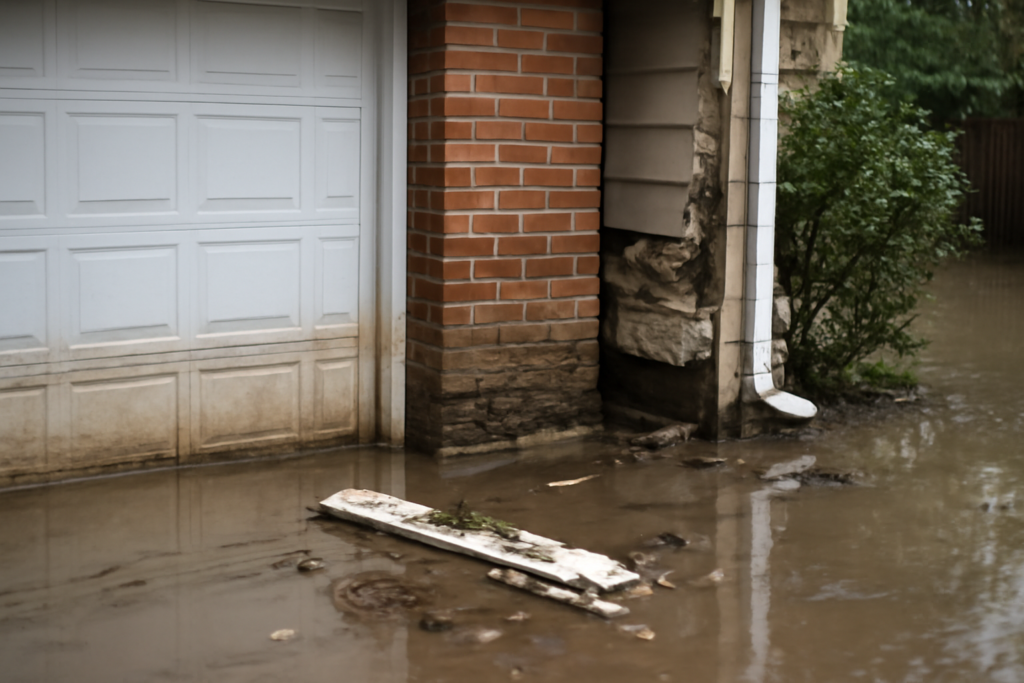
Living in Twin Falls, ID, you’re familiar with the sudden snowmelt that can turn your streets into rivers. This is a prime example of how fast floodwater can appear, leaving you with a mess that’s not just a hassle, but also a threat to your property’s integrity and your family’s health. Floodwater removal is a delicate process that needs specialized equipment and expertise to ensure your home is safe and dry.
Our team has helped over 165 homeowners in the area recover from flood-related disasters, and we’re confident in our ability to help you too. Don’t wait until it’s too late; get a professional assessment and start the restoration process today.
- Quick response times, with most calls being answered within 60 minutes.
- Dedicated crews and equipment for large and small jobs, including crawl spaces and attics.
- Advanced techniques and technology to dry and sanitize your property, reducing the risk of mold and bacteria growth.
How Our Crews Remove Floodwater and Restore Your Property
With floodwater removal, speed and accuracy are crucial. Our crews are trained to assess the situation, deploy the necessary equipment, and start the removal process as quickly as possible. This includes using powerful pumps and vacuums to extract standing water, as well as specialized equipment to dry and dehumidify the affected areas.
Step 1: Initial Assessment
Our team arrives on-site to assess the damage and create a customized plan to restore your property. This includes identifying the source of the floodwater and any potential safety hazards. Don’t wait to act; the sooner we start the process, the better chance you have of reducing damage and reducing costs.
Step 2: Water Removal
Using powerful pumps and vacuums, our crews extract standing water from your property, including crawl spaces and attics. Our equipment is designed to handle even the toughest jobs and our crews work efficiently to ensure timely completion.
Step 3: Drying and Dehumidification
Once the water has been removed, our teams use specialized equipment to dry and dehumidify the affected areas. This includes using high-velocity air movers and desiccants to reduce moisture levels and prevent mold growth. Don’t take chances with your health; our equipment is designed to sanitize and dry your property, reducing the risk of mold and bacteria growth.
Step 4: Sanitizing and Disinfecting
Using eco-friendly products and equipment, our crews sanitize and disinfect your property to prevent the growth of mold and bacteria. Protect your family’s health by trusting our experts with this critical step.
Step 5: Final Inspection and Cleanup
Once the removal and drying process is complete, our teams conduct a final inspection to ensure your property is safe and dry. This includes removing any debris and equipment, and providing you with a detailed report of the process and any recommendations for future prevention. Get the peace of mind knowing your property is protected and restored to its former glory.
Don’t wait to act; call our team today to schedule a free consultation and start the floodwater removal process. Time is critical with preventing further damage and reducing costs.

Warning Signs You Need Floodwater Removal
Ignoring the warning signs of floodwater damage can lead to costly repairs and health risks. Don’t take chances with your property and family’s health. Here are some common warning signs that show you need floodwater removal:
Musty Odors That Won’t Go Away
Strong, persistent odors can be a sign of mold growth, which can spread quickly through your property. Don’t wait until it’s too late; our crews can help you identify the source of the odor and take steps to remove it.
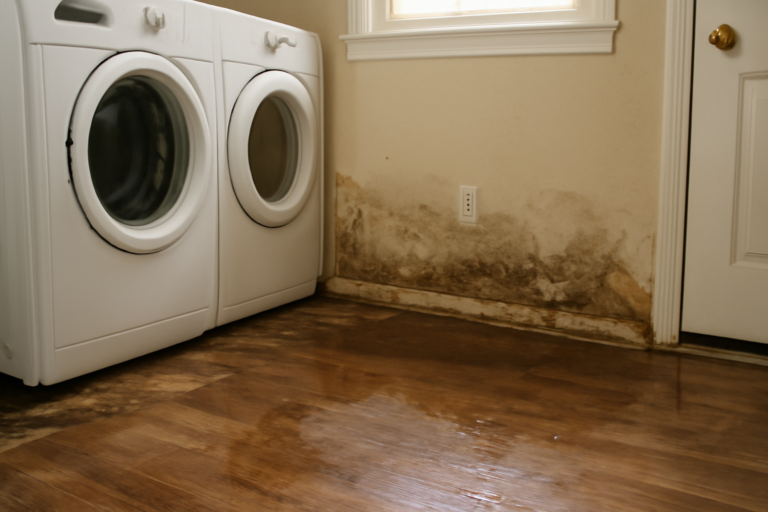
Buckled or Warped Flooring
When water soaks into your flooring, it can cause buckling or warping. Don’t ignore this warning sign; our crews can help you restore your flooring to its former glory.
Discolored Walls or Ceilings
Water damage can cause discoloration on walls and ceilings, which can be a sign of more extensive damage. Don’t wait to act; our crews can help you identify the source of the damage and take steps to prevent further damage.
Unexplained Mold or Mildew Growth
Mold and mildew growth can be a sign of water damage, which can spread quickly through your property. Don’t take chances with your family’s health; our crews can help you identify the source of the growth and take steps to remove it.
Increased Humidity Levels
High humidity levels can show water damage, which can lead to mold growth and health risks. Don’t ignore this warning sign; our crews can help you identify the source of the humidity and take steps to reduce it.
Unpleasant or Unusual Smells
Unpleasant or unusual smells can be a sign of water damage, which can lead to health risks and costly repairs. Don’t wait to act; our crews can help you identify the source of the smell and take steps to remove it.
Floodwater Removal vs. DIY: When To Call a Professional
| Situation | DIY? | Call a Pro? | Why |
|---|---|---|---|
| Small amounts of standing water (less than 10 gallons) | Yes | No | DIY removal can be effective for small amounts of water. |
| Large amounts of standing water (more than 100 gallons) | No | Yes | Professional equipment and expertise are required for large amounts of water. |
| Water damage to sensitive electronics or appliances | No | Yes | Professional technicians can handle delicate equipment and prevent further damage. |
| Flooding caused by burst pipes or appliance malfunctions | No | Yes | Professional assessors can identify the source of the flood and take steps to prevent further damage. |
| Black water or sewage backup | No | Yes | Black water and sewage pose significant health risks and need specialized equipment and expertise. |
| Structural damage to walls, floors, or ceilings | No | Yes | Structural damage needs professional assessment and repair to ensure safety and prevent further damage. |
Don’t take chances with your property and family’s health. With floodwater removal, it’s always best to err on the side of caution and call a professional. Trust our team to handle the job safely and effectively.
Floodwater Removal Cost In Twin Falls, ID
The cost of floodwater removal can vary greatly depending on the severity of the damage, the size of the affected area, and local conditions in Twin Falls, ID. Get a free consultation to discuss your specific needs and receive a customized estimate.
| Service | Typical Price Range | What Affects Cost |
|---|---|---|
| Water removal and extraction | $500 – $2,500 | Size of affected area, type of water (black, gray, or clear) |
| Drying and dehumidification | $1,000 – $5,000 | Size of affected area, type of equipment required |
| Sanitizing and disinfecting | $500 – $2,000 | Type of materials affected (drywall, carpet, etc.) |
| Structural repairs (walls, floors, etc.) | $2,000 – $10,000 | Severity of damage, type of materials required |
| Equipment rental and transportation | $100 – $500 | Distance to job site, type of equipment required |
| Disposal fees for debris and equipment | $100 – $500 | Size of debris, type of equipment required |
Exact pricing will depend on an on-site assessment, but we offer free estimates to help you plan and budget for your floodwater removal project.
Service Areas Near Twin Falls, ID
Our team serves the following communities: Kimberly, Gooding, Jerome, Burley, Rupert, Heyburn, Paul, Declo, Oakley, Ririe, Filer, Heyburn, Buhl, Twin Falls, ID, and surrounding areas.
Common Questions About Floodwater Removal
Will my insurance cover floodwater removal costs?
Yes, most insurance policies cover floodwater removal costs, but it’s essential to review your policy and contact your insurance provider to confirm coverage. Our team can help you navigate the claims process and ensure you receive the compensation you deserve.
How long will it take to remove floodwater from my property?
The time it takes to remove floodwater depends on the severity of the damage, the size of the affected area, and the type of equipment required. Our crews work efficiently to ensure timely completion and reduce downtime for you.
Will I need to evacuate my property during the removal process?
It’s possible that you may need to evacuate your property temporarily during the removal process, especially if the floodwater is contaminated or poses a significant health risk. Our team will work with you to ensure your safety and comfort throughout the process.
Can I prevent floodwater damage by installing a sump pump or French drain?
Yes, installing a sump pump or French drain can help prevent floodwater damage by redirecting water away from your property. Our team can help you design and install a effective drainage system to protect your property from future flood-related disasters.
Will I need to replace my flooring or walls due to water damage?
Not always; our crews can often repair or replace damaged flooring and walls to restore your property to its former glory. Our team will work with you to find out the best course of action and ensure you receive the best possible outcome.
Check Our Other Relevant Services

Rolando Johnson is a licensed Damage Restoration Expert with over 20 years of dedicated experience in property recovery and environmental safety. Known for his technical precision and authoritative industry knowledge, Rolando has spent two decades helping homeowners navigate the complexities of disaster restoration with confidence and transparency.
𝗖𝗲𝗿𝘁𝗶𝗳𝗶𝗰𝗮𝘁𝗶𝗼𝗻𝘀: Rolando is highly credentialed through the IICRC, holding specialized certifications in Water Damage Restoration (WRT), Applied Structural Drying (ASD), Mold Remediation (AMRT), Fire and Smoke Restoration (FSRT), and Odor Control (OCT).
𝗙𝗮𝘃𝗼𝗿𝗶𝘁𝗲 𝗣𝗮𝘀𝘁𝗶𝗺𝗲: An outdoor enthusiast at heart, Rolando spends his weekends fly-fishing and restoring vintage furniture, finding peace in the patience and detail required for both.
𝗕𝗲𝘀𝘁 𝗣𝗮𝗿𝘁 𝗼𝗳 𝘁𝗵𝗲 𝗷𝗼𝗯: He finds the most fulfillment in turning a moment of crisis into a success story, providing the steady hand and expertise families need to reclaim their homes after devastating damage.