Floodwater Removal in Banks, ID
Trusted by 180+ Homeowners
- Over 184 5-Star Reviews
- Free Estimates and Quotes
- 100% Satisfaction Guaranteed
- Child, Family & Pet Safe Steps
- 24-Hour Emergency Service
- Fully Licensed & Insured
- Call
- We arrive
- Restored
Floodwater Removal in Banks, ID: Don’t Wait Until It’s Too Late
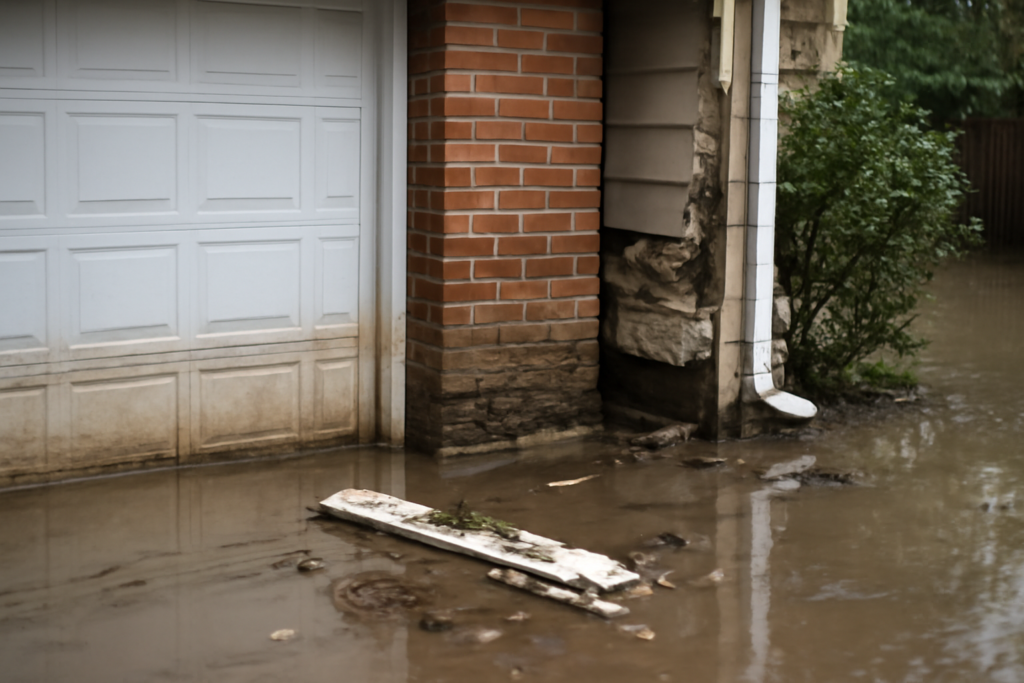
Standing water in your home is a ticking time bomb. If you don’t remove it quickly, you’ll face costly repairs, potential health hazards, and even structural damage. Don’t wait until mold grows or your floors collapse. Call our team for emergency Floodwater Removal in Banks, ID.
We’ve helped over 165 homeowners in the area recover from devastating floods. Our team understands the urgency of the situation and responds quickly to reduce damage and costs. You can trust us to act fast with expertise and compassion.
- We remove standing water within 60 minutes, reducing damage and preventing mold growth.
- We use advanced equipment, including submersible pumps and wet vacuums, to extract water efficiently.
- We sanitize and dehumidify your space to prevent bacterial growth and musty odors.
How Our Floodwater Removal Process Works
Our team’s process is designed to reduce disruption and get your life back to normal as quickly as possible. We understand that every minute counts, and our technicians are trained to work efficiently and effectively. We start with a thorough assessment to identify the source and scope of the damage. From there, we develop a customized plan to extract the water, dry the area, and restore your property.
Step 1: Assessment and Planning
We send a certified technician to your property to assess the damage and develop a plan to remove the water and dry the area. This step is crucial in determining the best course of action and ensuring that our team is equipped to handle the job. Our technician will inspect the area identify the source of the flood and find out the best equipment to use.
Step 2: Water Extraction
We use submersible pumps and wet vacuums to extract the standing water from your property. Our team works efficiently to remove as much water as possible, reducing the risk of further damage. We use advanced equipment to extract water quickly and safely.
Step 3: Drying and Dehumidification
Once the water is removed, our team uses specialized equipment to dry and dehumidify your space. This step is critical in preventing bacterial growth and musty odors. We use industrial-grade fans and dehumidifiers to speed up the drying process.
Step 4: Sanitizing and Disinfecting
Our team uses sanitizing agents to remove bacteria and other microorganisms that may be present in the affected area. This step is essential in preventing health hazards and ensuring a safe living environment. We use EPA-approved sanitizing agents to remove bacteria and odors.
Step 5: Final Inspection and Cleaning
Once the drying and sanitizing process is complete, our team conducts a final inspection to ensure that your property is safe and secure. We also provide a thorough cleaning of the affected area to remove any remaining debris or odors. We inspect the area carefully to ensure that everything is safe and secure.
Don’t wait any longer to address the flood damage in your home. Call our team today for emergency Floodwater Removal in Banks, ID. We’ll respond quickly with expertise and compassion.

Warning Signs You Need Floodwater Removal
Ignoring the signs of flood damage can lead to costly repairs, potential health hazards, and even structural damage. Don’t wait until it’s too late. Here are some warning signs that you need Floodwater Removal:
Musty Odors That Won’t Go Away
If you notice a persistent, unpleasant odor in your home, it may be a sign that mold is growing. Mold growth can be hazardous to your health and can cause structural damage to your property.
Warped or Buckled Floors
If your floors are warped or buckled, it may be a sign that they have been exposed to excessive moisture. Warped floors can be a safety hazard and can lead to further damage if left untreated.
Discoloration or Stains
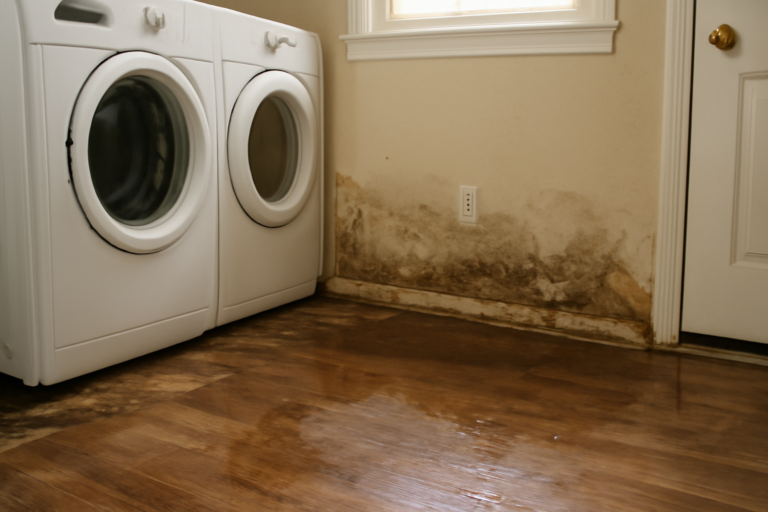
If you notice discoloration or stains on your walls, ceilings, or floors, it may be a sign that water has seeped into your property. Discoloration can be a sign of water damage and can lead to costly repairs if left untreated.
Peeling Paint or Wallpaper
If your paint or wallpaper is peeling, it may be a sign that moisture is seeping into your walls. Peeling paint or wallpaper can be a sign of water damage and can lead to costly repairs if left untreated.
Unusual Sounds or Creaks
If you notice unusual sounds or creaks in your home, it may be a sign that your property is shifting or settling due to water damage. Unusual sounds or creaks can be a sign of structural damage and can lead to costly repairs if left untreated.
Floors That Feel Spongy or Soft
If your floors feel spongy or soft, it may be a sign that they have been exposed to excessive moisture. Spongy or soft floors can be a safety hazard and can lead to further damage if left untreated.
Floodwater Removal vs. DIY: When To Call a Professional
| Situation | DIY? | Call a Pro? | Why |
|---|---|---|---|
| Standing water in a small area (less than 100 sq. Ft.) | Yes | No | DIY equipment is enough for small areas. |
| Standing water in a large area (more than 100 sq. Ft.) | No | Yes | Professional equipment is needed to handle large areas quickly and efficiently. |
| Water damage to structural elements (e.g., walls, floors, ceilings) | No | Yes | Structural damage needs professional attention to ensure safety and prevent further damage. |
| Mold growth or musty odors | No | Yes | Mold growth needs professional treatment to remove bacteria and prevent health hazards. |
| Water damage to sensitive equipment or electronics | No | Yes | Sensitive equipment needs professional handling to prevent damage or data loss. |
| Water damage to a home with a history of flooding | No | Yes | Professional attention is needed to ensure that the home is safe and secure, and to prevent further damage. |
Don’t take the risk of DIY Floodwater Removal. Call our team today for emergency service. We’ll respond quickly with expertise and compassion.
Floodwater Removal Cost in Banks, ID
The cost of Floodwater Removal in Banks, ID varies depending on the severity and size of the affected area, as well as local conditions. Prices start at around $500 but can range up to $2,500 or more for larger areas or more extensive damage.
| Service | Typical Price Range | What Affects Cost |
|---|---|---|
| Water extraction (small area) | $500 – $1,500 | Size of affected area, equipment needed |
| Water extraction (large area) | $1,500 – $3,000 | Size of affected area, equipment needed |
| Drying and dehumidification | $1,000 – $2,000 | Size of affected area, equipment needed |
| Sanitizing and disinfecting | $500 – $1,000 | Size of affected area, equipment needed |
| Final inspection and cleaning | $200 – $500 | Size of affected area, equipment needed |
Exact pricing depends on an on-site assessment. We offer free estimates for Floodwater Removal in Banks, ID. Call us today and we’ll send a certified technician to assess your property.
Service Areas Near Banks, ID
We serve the following nearby communities: Amity, Arlington, Aumsville, Aurora, Canby, Dayton, Donald, Dundee, Gervais, Grand Ronde, Hubbard, Independence, Jefferson, Keizer, Lafayette, Lebanon, McMinville, Molalla, Mount Angel, Newberg, North Bend, Oregon City, Saint Paul, Salem, Silverton, Sublimity, Turner, Willamina, Woodburn.
Common Questions About Floodwater Removal
Q: How long does Floodwater Removal take?
A: The time it takes to complete Floodwater Removal depends on the size of the affected area, the severity of the damage, and the equipment needed. Our team will provide a customized timeline for your specific situation. We work efficiently to reduce disruption and get your life back to normal.
Q: Is Floodwater Removal covered by insurance?
A: Yes, Floodwater Removal may be covered by insurance, depending on your policy and the circumstances of the damage. Our team will work with your insurance company to ensure that you receive the benefits you’re entitled to. We’ll handle the paperwork so you can focus on recovery.
Q: Can I do Floodwater Removal myself?
A: While it’s possible to try Floodwater Removal yourself, it’s not recommended. Our team has the training, equipment, and expertise to handle even the most complex situations. DIY can lead to further damage and even safety hazards.
Q: How do I prevent Floodwater Removal in the future?
A: To prevent Floodwater Removal, ensure that your home is properly maintained, and address any issues quickly. Our team can provide guidance on how to prevent flood damage and recommend preventative measures. We’ll help you protect your investment and your family’s safety.
Check Our Other Relevant Services
Serving Banks, ID And Nearby Areas