Twin Falls, ID · Twin Falls County
Flood Water Extraction in Twin Falls, IDFlood Water Extraction & Flooded Room Drying
Flood Water Extraction in Twin Falls covers flood water cleanup, emergency flood cleanup and flood damage restoration.
Answered 24/7
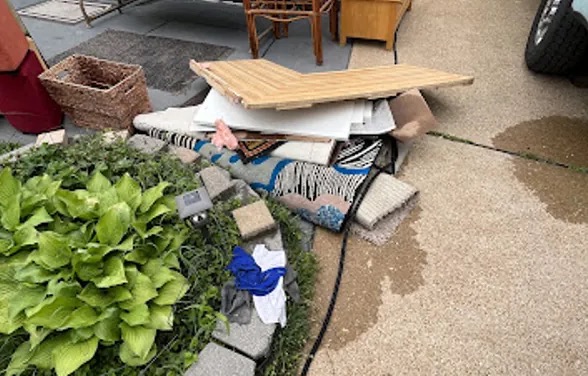
Reliable Flood Water Extraction Near Twin Falls
In Twin Falls, floodwater can contain silt, chemicals, or other pollutants from outdoors. Local flood cleanup professionals perform detailed cleaning using EPA-registered disinfectants on all affected hard surfaces.
The pros respond 24/7 to begin water extraction and damage mitigation. This prompt service is also available for urgent needs in communities like Hansen.
Detailed Flood Water Extraction Process in Twin Falls
Flood Water Extraction
Commercial extractors pull water from floors and carpet. Removing large volumes quickly lets drying start before more damage sets in.
Flooded Room Drying
Air movers and dehumidifiers are set up in balance, and moisture in walls and floors is checked until the room is dry.
Flood Water Cleanup
The experts perform detailed cleaning of floors, walls, and salvageable items to remove contaminants often present in flood water.
Flooded Carpet Water Removal
Carpet holds a lot of water after a flood. Extraction removes as much as possible, which gives the carpet a chance to be saved and keeps mold from starting under it.
Water Damaged Floor Removal
Laminate, hardwood or vinyl that warped past repair is removed in Twin Falls so the subfloor underneath can dry.
Warning Signs You Need Flood Water Extraction in Twin Falls
Malfunctioning Electrical Outlets
Outlets that stop working or trip after a flood can mean water reached the wiring, so keep power off and call an electrician.
A Noticeably Wet or Soggy Carpet
A soaked carpet often means water is trapped in the pad and on the subfloor underneath.
Buckling Hardwood or Laminate Floors
Warped or cupped flooring means water has reached the boards or the subfloor beneath them.
Peeling Paint or Wallpaper
Paint or wallpaper that peels after a flood means water got behind the wall surface.
How Flood Water Extraction Works in Twin Falls
Step 1: Source Containment and Extraction
The water source is stopped and pumps start removing large amounts of standing water.
Step 2: Targeted Material Water Removal
Extraction tools pull water from soaked materials like drywall bases and insulation.
Step 3: Controlled Environment Dehumidification
Dehumidifiers lower the humidity and finish drying what extraction could not reach.
Step 4: Validation of Dry Standards
Moisture content in all materials is checked with meters and confirmed dry before equipment leaves.
Sources Leading to Flood Water Extraction in Twin Falls, Idaho
Clogged Gutters and Downspouts
Blocked gutters and drains can send water pooling against the foundation until it finds a way inside.
Foundation Cracks and Seepage
Hydrostatic pressure can push groundwater through cracks, leading to basement or crawlspace flooding.
Sewer Line Backups
A blocked main sewer line can push dirty water into the home through floor drains and toilets.
Sump Pump Failure
A failed sump pump during heavy rain can quickly flood a basement.
Flood Water Extraction for Homes and Businesses in Twin Falls
Residential Flood Water Extraction
Residential water extraction services tackle flooded rooms comprehensively. Pros check subfloors and wall studs for hidden moisture and run dehumidifiers until they read dry.
Commercial Flood Water Extraction
In commercial spaces, soaked tile or carpet in busy areas may need to come up to remove slip hazards and dry the floor below.
Hiring Local Pros vs. DIY Flood Water Extraction
If safe, you can start by removing small, portable items like furniture and rugs from the wet area to a dry space. However, for any significant standing water, calling the pros for flood water extraction is crucial.
Flood Water Extraction Cost Considerations in Twin Falls
In Twin Falls, the cost depends on how easy the flooded area is to reach, the equipment needed and the cleanup after extraction.
Required Drying Time
High humidity in Twin Falls can make drying take longer, which adds equipment days and moisture checks.
Emergency Service Timing
After-hours calls may be billed at a different rate than scheduled work.
Material Saturation Level
Soaked carpet pad or drywall may need removal rather than drying, which adds to the repair cost.
Does Insurance Cover Flood Water Extraction?
Insurance for flood damage often depends on whether a separate flood policy is in place, since standard homeowners policies usually exclude flooding. The decision to cover flood water extraction belongs to your insurer, not the service provider.
Why Choose Local Pros for Flood Water Extraction in Twin Falls
Contaminated Water Handling Protocols
Proper safety measures are used for handling category 2 or 3 water. This keeps contaminated water from spreading to clean rooms.
Advanced Moisture Detection
Moisture meters find water behind walls and under flooring, which helps prevent mold after extraction.
Structural Drying Expertise
Drywall and framing are dried the right way so they do not need to be replaced.
24/7 Emergency Flood Water Extraction in Twin Falls
Act early to protect your property from water damage. For 24/7 flood water removal and drying in Twin Falls, call (208) 213-8673.
Call Now (208) 213-8673Local Flood Water Extraction Coverage for Twin Falls
When flooding affects a home in Twin Falls, help with flood water extraction is available, and the pros also work in nearby Hansen.
- Flood Water Extraction in Hansen
- Flood Water Extraction in Kimberly
- Flood Water Extraction in Filer
- Flood Water Extraction in Jerome
- Flood Water Extraction in Eden
- Flood Water Extraction in Buhl
- Flood Water Extraction in Hazelton
- Flood Water Extraction in Wendell
- Emergency Damage Restoration in 83301
- Storm Damage Restoration in 83301
- Water Damage Restoration in 83301
- Water Extraction Service in 83301
- Water Leak Detection in 83301
- Water Removal Service in 83301
- Emergency Damage Restoration in 83303
- Storm Damage Restoration in 83303
Flood Water Extraction Questions for Twin Falls Homeowners
Can flooded carpets be saved with water extraction?
Extraction is tried first, but the pad usually has to be replaced. It depends on the water type, how wet it is and how fast extraction starts.
How is hidden moisture located after a flood?
The pros use moisture meters and thermal cameras to find water trapped behind walls or under floors.
How quickly should water extraction begin after a flood?
As soon as possible. Mold can start growing within a day or two, so extraction should begin early in Twin Falls homes.
How does flood damage restoration differ from extraction?
It is the full process of getting your property back to how it was: extraction, drying, cleaning and any repairs.
How long does the water extraction process take?
Extraction usually takes a few hours, depending on the amount of water. Drying usually takes several days.