Owyhee, ID
Emergency Water Extraction in Owyhee, IDEmergency Flood Water Extraction & Standing Water Removal
Emergency Water Extraction in Owyhee runs from standing water removal and emergency flood water extraction to wet drywall water removal.
Answered 24/7
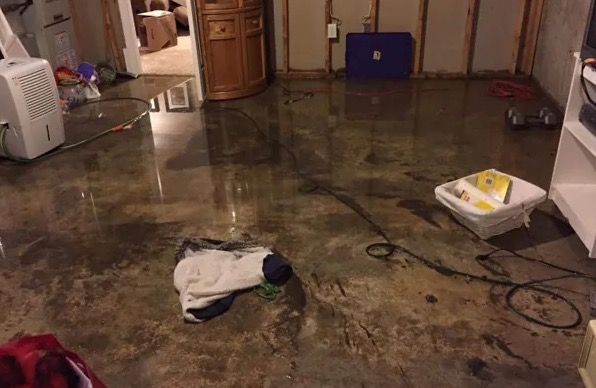
Professional Emergency Water Extraction in Owyhee, ID
The type of water decides how extraction is done in Owyhee. Clean water from a supply line can often be extracted and dried in place. Sewage and floodwater need protective gear and removal of soaked materials.
Complete Emergency Water Extraction Solutions for Owyhee
Emergency Flood Water Extraction
Floodwater from outside is treated as contaminated, so extraction is followed by removal of soaked porous materials and cleaning.
Standing Water Removal
Removing standing water quickly is what keeps a single wet room from turning into several.
Flooded Basement Water Removal
Lower levels dry slowly, so drying continues until the slab and walls read normal before any repairs begin.
Emergency Water Damage Cleanup
Wet rugs, boxes and debris are cleared, and surfaces touched by dirty water are cleaned before drying starts.
Sewage Backup Cleanup
Sewage that backed up through drains or toilets is extracted with protective gear, and the area is contained from clean rooms.
When to Call for Emergency Water Extraction in Owyhee
Wet Insulation in Attics
Insulation in the attic that is wet or matted points to a roof leak or attic plumbing failure.
Water Stains on Walls
Fresh stains on walls or ceilings show water is spreading from a leak nearby or above.
Swollen Doors or Cabinets
Doors that stick or cabinets that swell near a leak have soaked up water.
High Indoor Humidity Levels
A room that feels humid and clammy after a leak still has wet materials releasing moisture.
How Emergency Water Extraction Works in Owyhee
Step 1: Call for 24/7 Water Extraction
You call any hour, and advice is given on shutting off water and power before work starts.
Step 2: On-Scene Analysis and Plan
The source, the type of water and the wet area are checked, and the extraction plan is set.
Step 3: Primary Flood Water Extraction
Pumps and extractors remove standing water, starting with the deepest and most damaging areas.
Step 4: Detailed Documentation Phase
Photos and moisture readings record the damage, and drying equipment is placed for the next phase.
Typical Reasons for Emergency Water Extraction in Owyhee
Appliance Malfunctions and Overflows
Washers, dishwashers, water heaters and refrigerator lines fail and flood the floor around them.
Burst or Leaking Pipes
Pipes can crack or burst from age, pressure or cold weather, releasing water fast.
Sewage System Backup
A blocked sewer line pushes wastewater up through floor drains, tubs and toilets.
Severe Weather and Flooding
Heavy storms and flooding push water into homes and businesses through doors, walls and roofs.
Whole-Property Emergency Water Extraction in Owyhee, ID
Residential Emergency Water Extraction
In two-story homes, water from an upstairs leak can reach the ceiling and rooms below. Both levels are extracted and dried.
Commercial Emergency Water Extraction
Commercial buildings with sprinkler discharges may have water on several floors. Each floor is extracted in order, starting with the wettest.
The Risks of DIY Emergency Water Extraction in Owyhee
A shop vac picks up shallow water on hard floors, but it cannot pull water from carpet pad, wall cavities or subfloors. Those need professional extraction equipment.
Cost Considerations for Emergency Water Extraction in Owyhee
In Owyhee, water extracted within hours usually costs much less overall than water left until the next day, when it has soaked into more materials.
Location and Accessibility
Lower levels, crawl spaces and tight areas take more effort to reach and drain.
Required Drying Time
Drying usually takes several days, and each extra day of equipment adds to the total.
Affected Square Footage
More square feet of wet flooring and walls means more extraction and more drying equipment.
Does Insurance Cover Emergency Water Extraction?
Many homeowner policies cover sudden water damage, like a burst pipe, but exclude outside flooding and sometimes sewer backups. Check your policy and call your insurer early.
Advantages of Hiring Local Pros for Emergency Water Extraction in Owyhee
Sewage Safety
Sewage is extracted with protective gear, and contaminated areas are cleaned and disinfected.
Moisture Mapping
Meters and thermal cameras show where water spread under floors and inside walls.
24/7 Emergency Response
Help is available day or night, because water emergencies get worse every hour.
24/7 Emergency Water Extraction in Owyhee
The faster water is extracted, the more of your property can be dried instead of replaced. Call (208) 213-8673 for emergency water extraction in Owyhee.
Call Now (208) 213-8673Emergency Water Extraction in Owyhee and Other Areas Served
Help with emergency water extraction is available across Owyhee, including emergency flood water extraction and carpet water extraction services.
- Emergency Water Extraction in Atlanta
- Emergency Water Extraction in Avimor
- Emergency Water Extraction in Baker City
- Emergency Water Extraction in Banks
- Emergency Water Extraction in Bench Area Boise
- Emergency Water Extraction in Boise City
- Emergency Water Extraction in Boise Hills
- Emergency Water Extraction in Bowmont
Emergency Water Extraction FAQ Guide
How is wet drywall handled during water removal?
Lightly damp drywall is dried through small holes near the base. Soaked drywall is cut out so the cavity can dry.
Why is professional standing water removal important?
Pumps and extractors remove water much faster than household tools, which limits how far it spreads.
Is sewage backup cleanup different from regular water extraction?
Yes. Sewage needs protective gear, containment, removal of soaked materials and disinfection before drying.
Is emergency water extraction available 24/7?
Yes. Help is available day or night, including weekends and holidays, because water damage keeps spreading.
How long does drying take after extraction?
Often several days, depending on the materials, the type of water and how long it sat.