Twin Falls, ID · Twin Falls County
Contaminated Water Removal in Twin Falls, IDToxic Spill Water Removal & Black Water Extraction
For a sewer backup, Contaminated Water Removal in Twin Falls means sewage backup water removal, sewage water cleanup and contaminated carpet removal.
Answered 24/7
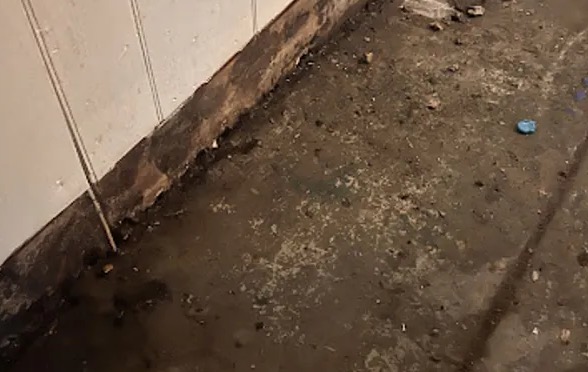
Trusted Contaminated Water Removal Solutions in Twin Falls County
Contaminated Water Removal in Twin Falls ends when the area is clean, disinfected and dry. Readings confirm the structure is dry, and the space is ready for new drywall and flooring.
In Twin Falls, many contaminated water calls start with a toilet or floor drain backup. Local water damage pros serve Twin Falls and Hansen, cleaning up safely with protective gear.
Contaminated Water Removal Services in Twin Falls
Toxic Spill Water Removal
Surfaces touched by chemical-laden water are cleaned with products suited to the contaminant before drying.
Black Water Extraction
Porous materials soaked by black water usually cannot be cleaned safely, so they are bagged and removed before drying.
Sewage Water Cleanup
Sewage water cleanup includes removing soaked materials, disinfecting surfaces and running air scrubbers while work continues.
Sewage Backup Water Removal
After a sewage backup, carpet, pad and lower drywall that soaked it up are removed, and hard surfaces are cleaned and disinfected.
Flooded Basement Cleanup
Below-grade spaces dry slowly, so dehumidifiers run until the slab and walls test dry after cleaning.
Signs of Contaminated Water Damage in Twin Falls
Black Water After Heavy Rains
Water that flowed in from outside after heavy rain carries soil and contaminants and is treated as black water.
Discolored Water in Basement
Dark or cloudy water in a basement often carries soil, sewage or debris from outside.
Foul Odors From Standing Water
Standing water with a foul or sewage smell is contaminated and should not be touched without protection.
Gray Water From Appliance Leaks
Water from a washer or dishwasher drain is gray water and needs cleaning, not just drying.
How Contaminated Water Removal Works in Twin Falls
Step 1: Initial Hazard Assessment
The type of contamination is identified and the right protective gear is chosen.
Step 2: Source Control and Water Extraction
The backup or leak is stopped, and contaminated water is extracted right away.
Step 3: Removal and Disposal
Contaminated materials are removed, bagged and disposed of according to local rules for that kind of waste.
Step 4: Drying and Dehumidification
Clean surfaces are dried with dehumidifiers and air movers until readings are normal.
Common Causes of Water Damage in Twin Falls
Natural Disaster Aftermath
After storms and floods, water carries debris and contaminants from streets and yards.
Appliance Malfunctions and Leaks
Washers, dishwashers and sink drains leak or back up with soapy, dirty gray water.
Sump Pump Overwhelm or Failure
A sump pump that fails or is overwhelmed lets dirty groundwater rise into the basement.
Heavy Rainfall and Flooding
Heavy rain and flooding carry soil, chemicals and sewage into buildings through doors and walls.
Contaminated Water Removal for Homes and Businesses in Twin Falls, ID
Residential Contaminated Water Removal
A gray water leak from a washer is often less severe than sewage, but it still needs cleaning before drying.
Commercial Contaminated Water Removal
Medical offices, schools and childcare centers need contaminated water cleanup that meets the health rules for those spaces before reopening.
Contaminated Water Removal vs. DIY: When to Call the Pros
If you are not sure whether the water is clean, treat it as contaminated. Keep everyone, including pets, away from it and call (208) 213-8673 for an assessment.
Factors Affecting Contaminated Water Removal Cost in Twin Falls
Sewer line or septic repairs are separate from cleanup. In Twin Falls, both are usually needed to prevent another backup.
Required Drying Time
Drying after cleaning can take several days, and each day of equipment adds cost.
Access Complexity
Crawl spaces, basements and tight areas take longer to reach and clean safely.
Affected Area Size
Larger contaminated areas need more extraction, more removal of materials, more disinfection and more drying.
Does Insurance Cover Contaminated Water Removal?
Many homeowner policies exclude sewer backups unless you added a backup endorsement, and outside flooding usually needs flood insurance. Check your policies early.
Benefits of Local Pros for Contaminated Water Removal in Twin Falls, ID
Industry Standards
Cleanup follows industry standards for gray and black water, including removal of porous materials.
Moisture Mapping
Meters show where contaminated water spread under flooring, into walls and toward other rooms.
Containment and Sanitization
The area is sealed off and cleaned so contamination stays out of clean rooms.
Always-Available Emergency Contaminated Water Removal in Twin Falls
Sewage or dirty water spreading in Twin Falls? Stop running water in the house, keep everyone away and call (208) 213-8673. Help is available 24/7.
Call Now (208) 213-8673Contaminated Water Removal for Twin Falls and Surrounding Communities
Besides Twin Falls, local water damage pros handle contaminated water cleanup and disinfection in nearby Hansen.
- Contaminated Water Removal in Hansen
- Contaminated Water Removal in Kimberly
- Contaminated Water Removal in Filer
- Contaminated Water Removal in Jerome
- Contaminated Water Removal in Eden
- Contaminated Water Removal in Buhl
- Contaminated Water Removal in Hazelton
- Contaminated Water Removal in Wendell
- Emergency Damage Restoration in 83301
- Storm Damage Restoration in 83301
- Water Damage Restoration in 83301
- Water Extraction Service in 83301
- Water Leak Detection in 83301
- Water Removal Service in 83301
- Emergency Damage Restoration in 83303
- Storm Damage Restoration in 83303
Common Contaminated Water Removal Questions Answered
What are dehumidification services used for after contaminated water?
Drying walls, floors and framing after cleaning, so cleaned surfaces do not stay damp.
Can gray water damage cleanup wait?
Not for long. Gray water left for a day or two can turn into black water and need more removal.
What is contaminated water removal?
Extracting gray or black water with protective gear, removing soaked porous materials, disinfecting surfaces and drying the structure.
What is involved in sewage backup cleanup?
Containing the area, extracting the sewage, removing soaked carpet and drywall, disinfecting surfaces and drying.
Why is professional contaminated water cleanup important?
It needs protective gear, containment and disinfection to keep contamination from spreading through the house.